Unicorn Wishes: A Whimsical Typeface for Editorial Magic
I was recently tasked with redesigning the header for a lifestyle blog that had grown from a small niche audience into a full-fledged community of readers and writers. The goal was to create a visual identity that felt fresh, inviting, and aligned with the brand’s tone—playful yet refined. That’s when I discovered Unicorn Wishes, a display font that seemed to whisper the very essence of wonder and imagination.
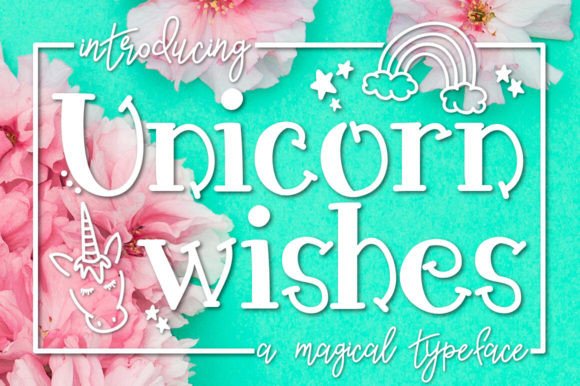
Unicorn Wishes is a magical and whimsical serif font designed to bring a touch of fantasy and wonder to your projects. Its playful letterforms are balanced with elegant curves and delicate details that make it feel both nostalgic and modern. The personality of this typeface is like a soft breeze on a summer day—light, airy, and full of charm.
A Font That Breathes Life into Editorial Design
As I experimented with Unicorn Wishes in the blog header, I noticed how its rhythm and mood transformed the layout. It didn’t just sit on the page—it danced. The unicorns, rainbows, and other delightful extras included in the font made it feel like an invitation to explore, not just read. This kind of visual storytelling is essential in editorial design, where every element contributes to the reader’s experience.
For the blog’s article titles, Unicorn Wishes added a sense of whimsy without overwhelming the content. It worked beautifully as a title font, drawing attention while maintaining readability. When paired with a clean sans serif font for body copy, the contrast helped establish a clear visual hierarchy, guiding the reader effortlessly through the content.
Real-World Applications in Content Creation
In a recent project, I used Unicorn Wishes for the cover of a recipe ebook focused on magical and imaginative dishes. The font brought a sense of fun and creativity that perfectly matched the theme. It wasn’t just about aesthetics; it also helped reinforce the brand’s identity and connect with the target audience.
Similarly, when designing a wedding guide, Unicorn Wishes became the go-to choice for chapter openers and pull quotes. Its whimsical nature complemented the romantic and dreamy tone of the content. The font also proved to be a great fit for decorative accents, such as headings in sidebars or callout boxes, adding visual interest without distracting from the message.
For a coaching workbook aimed at creative professionals, I found that Unicorn Wishes worked well for section headings and motivational blurbs. It added a touch of inspiration that encouraged engagement and made the content feel more personal and approachable.
Readability and Practical Considerations
While Unicorn Wishes is a display font, it’s important to consider its use in longer reading formats. For body text, it’s best to pair it with a more readable serif or sans serif font. However, in shorter sections like headlines, pull quotes, or chapter titles, Unicorn Wishes shines as a decorative accent that enhances the overall design.
When working across different platforms, I tested Unicorn Wishes on screen reading, mobile layouts, PDF exports, and print materials. It maintained its charm and legibility across all formats, though I always ensure that the font size and spacing are optimized for each medium. For long-form content, it’s crucial to keep the font usage limited to headings and subheadings to avoid fatigue and maintain readability.
Font Pairing and Design Best Practices
One of the most rewarding aspects of using Unicorn Wishes has been experimenting with font pairing. For instance, pairing it with a classic serif font like Georgia or a modern sans serif like Helvetica Neue creates a balanced look that works well for both digital and print materials. These combinations help maintain consistency while allowing the whimsical nature of Unicorn Wishes to stand out in key areas.
Another consideration is checking the font’s included styles, alternates, ligatures, weights, multilingual support, and file formats. Ensuring that the font supports the language and characters needed for the project is essential, especially for publications targeting international audiences. Also, confirming commercial font licensing before using Unicorn Wishes in ebooks, templates, printables, paid newsletters, or client publications is a necessary step to protect both the designer and the client.
Unicorn Wishes has become a favorite in my toolkit, not just for its visual appeal but for the way it helps elevate the storytelling in editorial design. Whether it’s a blog header, an ebook title, or a printable planner, this font brings a sense of joy and magic that resonates with readers and creators alike. It’s a reminder that thoughtful typography can transform a simple layout into an unforgettable experience.